
Martial Arts Masters Beach Training Session 2026

Updated: Aug 26

Professor Ron Ogi

Beginning the Meditation Journey: Mind, Legacy, and Mechanics in Small Circle Jujitsu
Beginning the Meditation Journey
The seminar started with a standing relaxation meditation session—a practice designed to ground us in the present moment and cultivate a sense of calm amidst the chaos of daily life.
Professor Ron Ogi gently guided us through the initial steps, inviting each participant to find their own comfortable stance: feet firmly planted on the ground, shoulder-width apart, creating a solid foundation. As we prepared for the meditation, we were asked to close our eyes, creating a personal sanctuary where distractions would fade away.
The darkness behind our eyelids became a canvas for our inner experience, encouraging us to let go of external stimuli and turn our focus inward.
Mindful Breathing & Body-Mind Connection
Rhythmic Breathing: We were instructed to breathe slowly, inhaling deeply and exhaling gently. This rhythmic breathing started meditation, calming the nervous system and promoting relaxation.
Visualization: We visualized peace and clarity, releasing tension and pain with each exhale.
Observing Thoughts: Prof. Ogi advised centering our minds by observing thoughts without engagement, allowing them to drift away as we focused on the present moment.
This connection between body and mind was crucial for anchoring us in the present. As the session continued, the atmosphere became more tranquil, with the instructor's gentle guidance and the group's energy fostering deep relaxation and introspection.
Honoring a Legacy: Wally Jay
Professor Ron Ogi started the seminar with an engaging introduction, sharing a heartfelt story about legendary martial artist Wally Jay.
He explained how Jay profoundly influenced his life, instilling a sense of friendship and family, setting a tone of respect and admiration for Prof. Jay's teachings that carried through the rest of the day.
Fundamental Concepts in Small Circle Jujitsu
Transitioning into the main content of his session, Prof Ogi shared his interpretation of fundamental concepts and how they are adapted to his style of martial arts (OGI), including principles like the "immovable elbow" and "Body Structure" Rather than viewing these as rigid rules, he emphasized them as essential elements that underpin his unique style.
By integrating these concepts into practice, Prof. Ogi emphasizes the importance of understanding the mechanics behind Small Circle Jujitsu, enabling practitioners to enhance their skills and overall effectiveness.
Prof. Ogi elaborated on the concept of base as the foundation of stability and balance in martial arts techniques, emphasizing the importance of a strong stance and the ability to maintain one's center of gravity during movement.
Moving on to the idea of lever, he illustrated how leverage can be utilized to gain an advantage over an opponent, allowing a practitioner to execute techniques with minimal effort while maximizing effectiveness. Prof. Ogi provided practical examples from his own training, demonstrating how understanding leverage can transform a seemingly simple maneuver into a powerful technique that can easily subdue a larger or stronger adversary.
Finally, he delved into the concept of fulcrum, explaining how it serves as the pivot point in various techniques, allowing for dynamic movement and the ability to redirect force. Prof. Ogi shared insights on how he integrates these principles into his practice, showcasing techniques that exemplify the synergy between base, lever, and fulcrum.
This comprehensive breakdown not only deepened the attendees' understanding of these foundational elements but also inspired them to consider how they might incorporate these principles into their own martial arts journey. The session was both informative and inspiring, leaving a lasting impression on everyone present.
Professor Chris Peterson
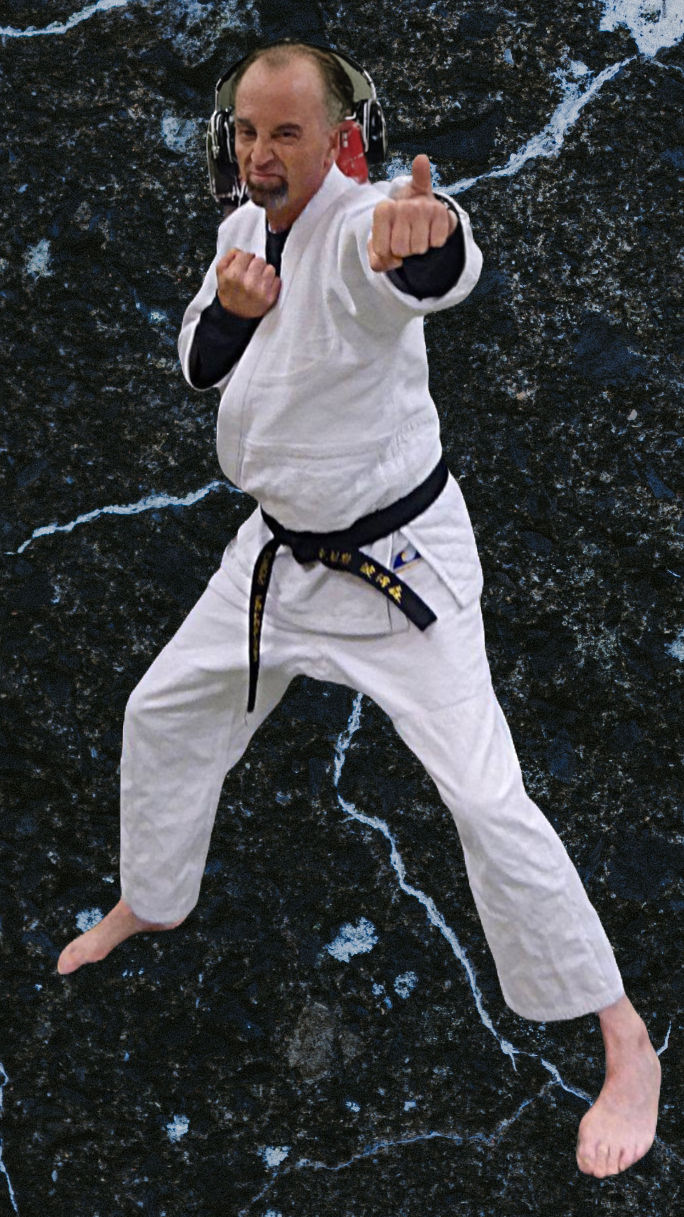
Prof Chris Peterson opened his session by sharing his profound and transformative experiences with notable figures in the martial arts community, including Wally Jay, Willy Cahill, and the Chow Hoon Whanau. He vividly recalled the sense of belonging and kinship he felt with them, describing how these relationships were not merely professional but deeply personal, akin to family bonds. Prof. Jay, in particular, played a pivotal role in his journey, often taking him under his wing and introducing him to a wide array of influential people within the martial arts world. This mentorship was invaluable, as it not only expanded his network but also enriched his understanding of the art and its cultural significance.
During his talk, Prof Peterson emphasized the critical importance of remembering our Tipuna, or ancestors, highlighting how their wisdom and experiences serve as the foundation upon which we stand today. He passionately articulated that acknowledging our elders is not just a matter of respect; it is essential for preserving the rich tapestry of stories and teachings that they have imparted. He elaborated on the idea that we literally stand on the shoulders of these giants, benefiting from their struggles, triumphs, and insights. Prof Peterson poignantly reflected on the concept of dying twice: first, the physical death that all humans inevitably face, and second, the metaphorical death that occurs when people cease to remember us, when our stories fade into oblivion. He urged everyone present to actively combat this second death by keeping the narratives of our ancestors alive, ensuring that their legacies continue to resonate through generations.
To illustrate this point, Prof Peterson shared several anecdotes and stories from his own experiences, emphasizing the lessons he learned from Wally Jay. He spoke about the mindsets these mentors had during their times, the challenges they faced, and how their resilience shaped their teachings. He underscored the idea that every story holds a lesson, and it is our responsibility to not only remember these stories but to learn from them and pass them on. This connection to our past is what enriches our present and guides our future.
As the session progressed, Prof Peterson transitioned into a practical segment focused on flow drills, which serve as fundamental exercises in martial arts that help practitioners develop fluidity, timing, and coordination. He articulated how these drills are not merely about physical movement but also about cultivating a mindset that embraces adaptability and creativity. From this foundational starting point, he seamlessly transitioned into discussing more advanced techniques, illustrating how the principles learned through flow drills can be applied to complex maneuvers. This progression from basic to advanced techniques mirrors the journey of learning itself, where one builds upon the lessons of the past to achieve greater mastery in the present. Prof Peterson's session was a rich tapestry of storytelling, practical instruction, and a heartfelt call to honor those who came before us, ensuring their legacies live on through our practice and our lives.
Professor Stan Miller

Prof Stan Miller opened his lesson with a heartfelt introduction about the legendary Prof Wally Jay, emphasizing the profound impact that the professor had on everyone he encountered. Stan described how Prof Jay treated all individuals with an overwhelming sense of love and respect, an essence that truly embodied the concept of Aroha (Aloha). This welcoming spirit was something that Prof Miller felt deeply from the very first moment he met Prof Jay, creating an atmosphere of warmth and acceptance that set the tone for their interactions. He recounted that initial meeting with vivid detail, illustrating how Prof Jay's genuine kindness and passion for martial arts left an indelible mark on him.
In addition to his reflections on Prof Jay, Prof Miller also took the opportunity to pay tribute to our master, the esteemed Grandmaster Steve Heremaia. He shared a memorable technique that GM Heremaia had taught him during his teenage years, a lesson that had remained with him throughout his martial arts journey. This particular session focused on the intricate details of the small circle technique, a fundamental aspect of their training. Prof Miller emphasized the importance of executing this technique with precision, advising against the tendency to crank or force the movements. Instead, he encouraged students to embrace a more fluid and controlled approach.
As the lesson progressed, Stan meticulously broke down the components of the small circle technique, introducing a wealth of additional information that enriched the students' understanding. He delved into the nuances of transitions, demonstrating how to seamlessly shift from one movement to another while maintaining balance and control. Furthermore, he explored the concept of pressure points, explaining how they can be effectively utilized within the context of the small circle technique to enhance its efficacy. Prof Miller encouraged students to not only learn the technique but also to adapt it to their unique styles and body mechanics, fostering a sense of personal ownership over their martial arts practice.
Throughout the lesson, Prof Miller passion for teaching and the respect he held for his mentors shone brightly. He created an engaging environment where students felt motivated to ask questions and participate actively. By the end of the session, the students not only gained a deeper understanding of the small circle technique but also left with a renewed appreciation for the values of love, respect, and adaptability that Prof Wally Jay instilled in their teachings. This holistic approach to martial arts training encouraged each student to reflect on their journey and the importance of embodying these principles both on and off the mat.
Class pic 2026

Well, that's my 10 cents, Whanau! It feels absolutely wonderful to be back in the groove of writing again, and there’s a certain warmth and comfort that comes with being home. There's something special about returning to familiar surroundings, where every corner holds memories, and every moment feels like a piece of my journey. I can hardly contain my excitement as I look forward to the upcoming event in Portland next year; it promises to be an incredible experience filled with opportunities to connect, learn, and grow alongside fellow enthusiasts.

Just in case you forgot, it’s BDJJA ALL DAY, OUSSSSSS!
Keep an eye out for the Video drop on this Seminar coming soon.


Comments